No layers between maker and you.
JagRaj Ecom was built on one premise: the people who make things should keep more of what they're paid for making them.
A diaspora gap no marketplace was closing
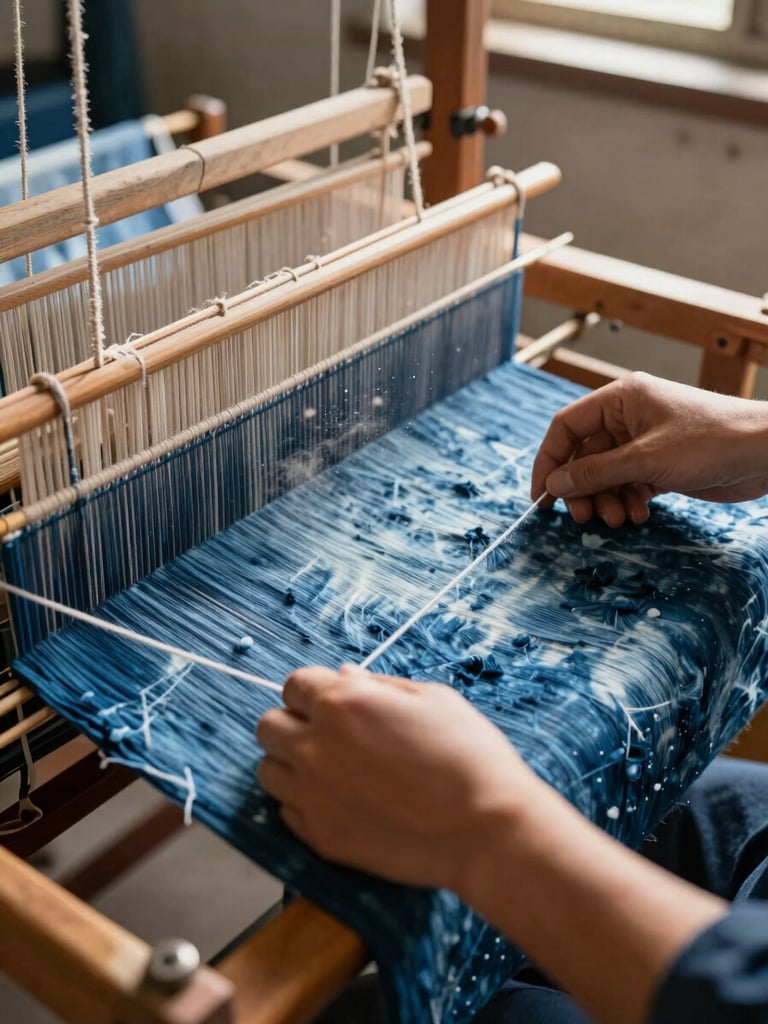
Growing up outside South Asia means knowing exactly what's missing—and watching it get replaced by imitations that don't hold. JagRaj started with that frustration.
The business model is the mission. Cut wholesale, pay producers directly, list only what we've handled ourselves. That's not a marketing position—it's the operating structure.
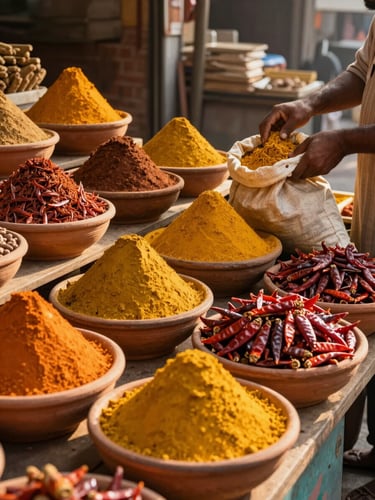
Travel, conversation, hands on the product
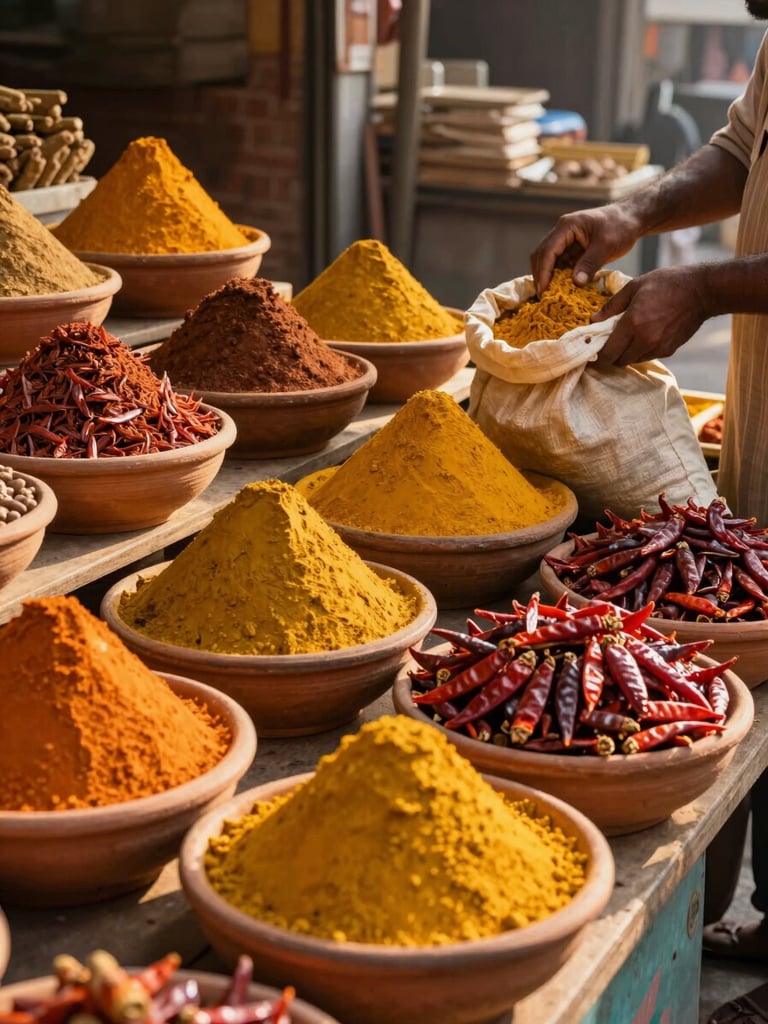
Nothing is listed before we've been there—or sent someone we trust. We ask the maker how the price was set, and we verify the answer holds.
Short supply chains only stay short when you maintain the relationship. Every product carries a maker name because that name is the accountability, not a decoration.